Understanding Lighting
By Ali Ghorbani · Published Feb 23, 2026 · Updated Mar 17, 2026
Light is the single most important element in photography — the word “photography” literally means “drawing with light.” Learning to see, shape, and work with light will transform every image you take. From golden hour warmth to dramatic shadows, mastering light is mastering photography itself.
Hard Light vs Soft Light
The quality of light falls on a spectrum from hard to soft. Hard light comes from a small, direct source (midday sun, bare flash) and creates sharp, well-defined shadows with high contrast. Soft light comes from a large, diffused source (overcast sky, light through a sheer curtain) and wraps around the subject, producing gentle shadow transitions. Neither is inherently better — hard light adds drama and texture, while soft light is flattering and forgiving.
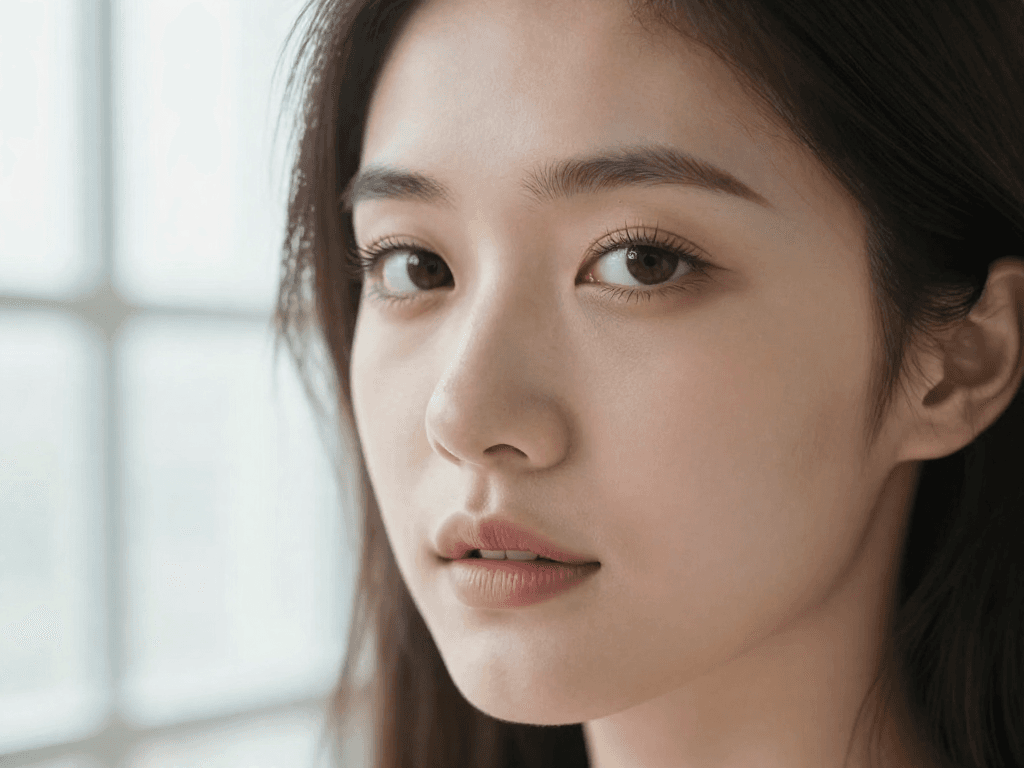 Soft Light
Window light acts as a large, diffused source. Shadows transition gradually, skin looks smooth, and fine details are preserved without harsh contrast.
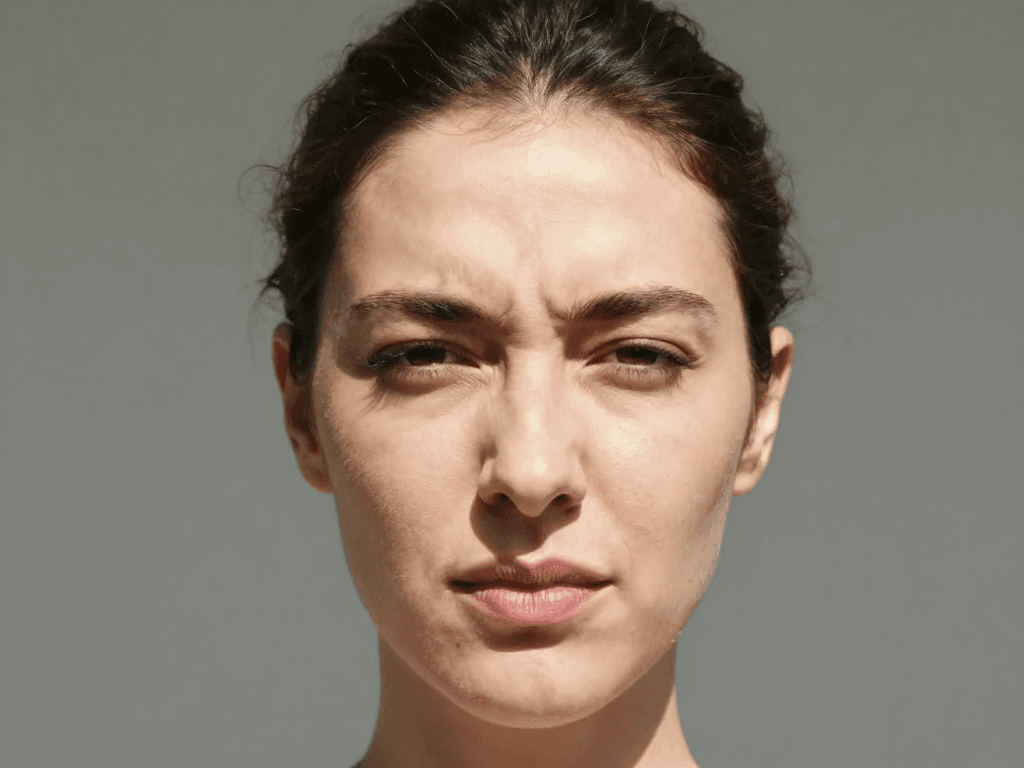 Needs Work
Direct overhead sun creates unflattering shadows under the eyes and nose. Move to open shade or wait for a lower sun angle for more pleasing results.
Direction of Light
Where light hits your subject relative to the camera changes everything about the mood and dimensionality of your image. Front light (behind the camera) illuminates evenly but can look flat. Side light reveals texture and form by creating shadows across the surface. Back light (behind the subject) creates silhouettes, rim light, and a sense of depth. Rembrandt lighting — light at roughly 45 degrees from the side and above — creates a signature triangle of light on the shadowed cheek, and has been the gold standard for portraiture for centuries.
 Good Example
Side light at a low angle emphasizes texture and depth. This is ideal for architecture, landscapes, and any subject where surface detail matters.
 Needs Work
Direct front flash eliminates all shadows, making the subject look flat and two-dimensional. Bounce the flash off a ceiling or wall for much better results.
Golden Hour & Blue Hour
Golden hour is the period shortly after sunrise and before sunset when the sun is low on the horizon. The light is warm (around 3000–4000K), directional, and naturally soft because it travels through more atmosphere. It flatters nearly every subject — portraits glow, landscapes come alive with long shadows, and even mundane scenes feel cinematic. Blue hour follows sunset (or precedes sunrise), when the sky takes on deep blue and purple tones. It's ideal for cityscapes and moody atmospheres, as artificial lights balance beautifully against the cool ambient sky.
 Good Example
Backlighting during golden hour creates a natural rim light that separates the subject from the background. Expose for the face and let the background glow.
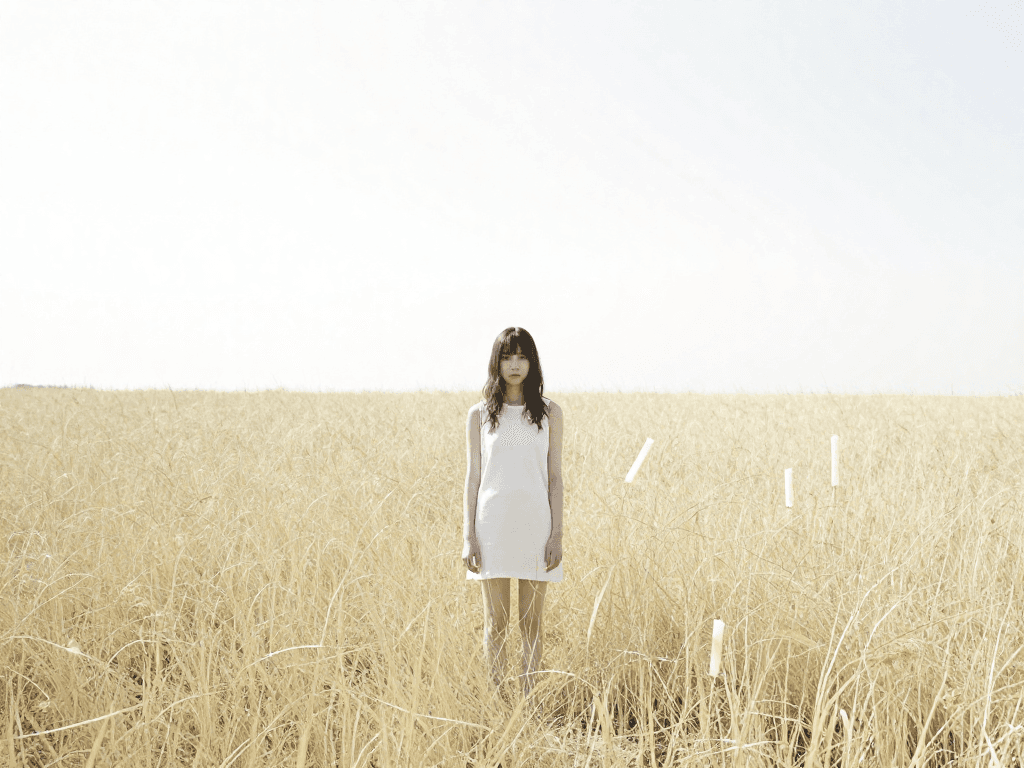 Needs Work
Midday light is harsh and comes from directly above. Colours wash out, shadows are short and unflattering, and the sky often blows out to white.
Window Light for Portraits
A large window is essentially a free softbox. Position your subject facing the window or at a 45-degree angle to it for beautiful, directional soft light. The farther from the window, the more the light falls off and the more dramatic the shadows become. To fill in shadows on the opposite side, hold up a white sheet of paper, a reflector, or even a white wall nearby. For the softest results, use a window that doesn't receive direct sunlight — north-facing windows (in the northern hemisphere) are a classic choice.
Quick Lighting Tips
- •Shoot during golden hour (first and last hour of sunlight) for warm, flattering light that makes almost anything look good.
- •Use window light for portraits — position the subject at a 45-degree angle to the window for natural, directional soft light.
- •Pay attention to the direction of light: front, side, and back lighting each tell a different story. Walk around your subject before shooting.
- •On overcast days, the entire sky becomes a giant softbox. Use it for even, shadowless portraits and macro work.
- •When shooting in harsh midday sun, move your subject to open shade — under a tree canopy, an awning, or the shadow side of a building.
- •Look for catchlights in your subject's eyes. A bright, well-placed catchlight brings a portrait to life.
- •Use a reflector (or a white wall, a car windshield, or a sheet of paper) to bounce light into shadows. You don't need expensive gear to shape light.
- •Turn off mixed artificial lights when shooting indoors near windows. Mixing colour temperatures creates unnatural colour casts that are hard to fix.