Visual Storytelling
By Ali Ghorbani · Published Feb 23, 2026 · Updated Mar 17, 2026
A great photo does more than look good — it makes you feel something. Learning to convey emotion, narrative, and meaning through your images is what separates snapshots from photographs. The best images raise a question, freeze a feeling, or transport the viewer into a moment they weren't part of.
Subject Clarity
Every compelling photograph answers one question instantly: “What is this picture about?” Your subject is the anchor of the story. It can be a person, an object, a texture, or even an absence — but it must be unmistakable. Use depth of field, contrast, colour, placement, and light to separate your subject from everything else. If a viewer has to search for the point of the image, the story is already lost.
 Good Example
The red coat creates instant contrast against the muted background. Your eye goes directly to the subject, and the environment tells you everything about the mood.
 Needs Work
Without a clear subject, the viewer's eye bounces around without landing. Move closer, isolate one person or interaction, and let the surrounding crowd become context.
Emotion & Mood
Emotion is the engine of visual storytelling. Before you press the shutter, ask yourself: “What do I want the viewer to feel?” Then use every tool at your disposal to evoke that feeling. Low angles make subjects look powerful or imposing. High angles make them look vulnerable. Tight crops create intimacy. Wide shots create isolation. Warm colour palettes feel inviting; cool ones feel distant. Soft focus feels dreamlike; tack sharpness feels confrontational. Every technical choice is an emotional choice.
 Good Example
The tight framing and shallow depth of field isolate the gesture, making it universal. You don't need to see faces — the hands tell the whole story.
 Needs Work
Shooting too wide loses the emotional connection. The viewer can't see expressions, gestures, or the small details that carry feeling. Get closer.
The Decisive Moment
Henri Cartier-Bresson coined the phrase “the decisive moment” to describe the split second when all elements — composition, gesture, expression, light — align into a meaningful image. This doesn't mean luck; it means anticipation. Watch your scene. Notice patterns. Predict what will happen next, and be ready. The moment between moments — the in-between expression, the gesture just before or after the obvious one — often tells the most honest story. Shoot more than you think you need, and look for the frame that feels inevitable.
 Good Example
The peak of the action, the crowd's reaction, and the performer's expression all align. The photographer anticipated the moment and was ready.
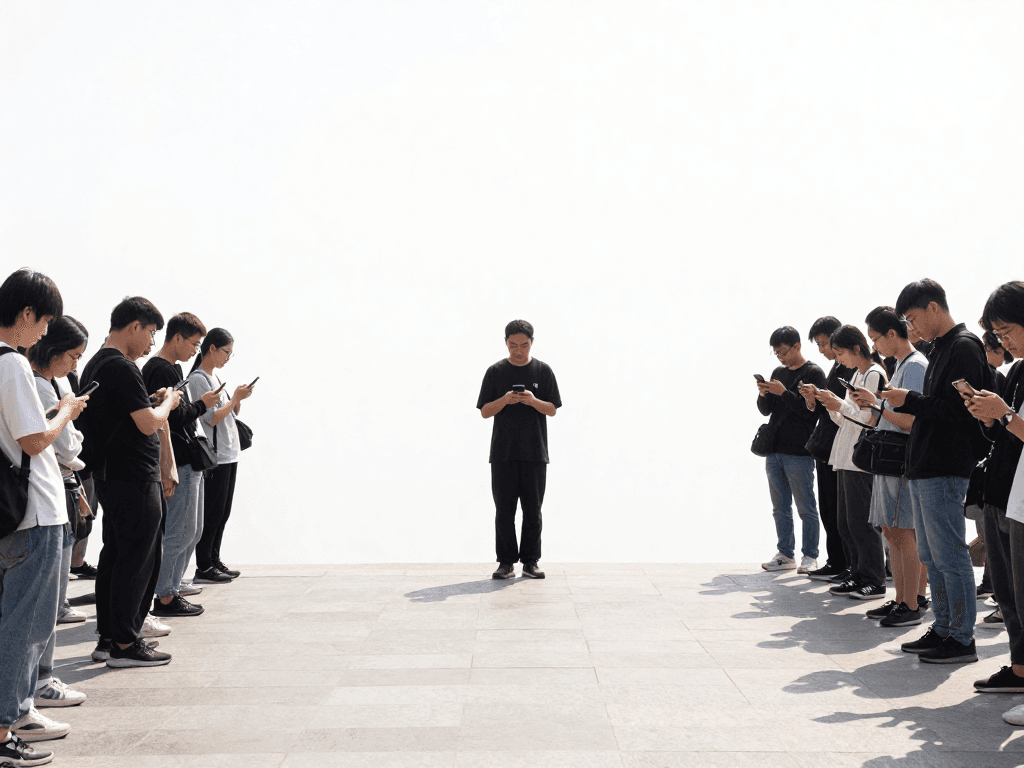 Needs Work
Between moments, there is no story. Wait for the peak action, the genuine reaction, the unguarded expression. Patience is the most underrated photography skill.
Context & Environment
A portrait shot against a white wall tells you about a face. The same portrait shot in the subject's workshop, surrounded by their tools and creations, tells you about a life. Environment provides context — the “where” and “when” that round out the story. Include enough of the surroundings to answer the viewer's questions, but not so much that the scene becomes cluttered. The best environmental details are the ones that add meaning without competing for attention.
Quick Storytelling Tips
- •Ask yourself before every shot: what do I want the viewer to feel? Let that answer guide every technical decision.
- •Include context clues — environmental details that hint at a larger narrative without spelling it out.
- •Capture the moment between moments. The in-between expressions often tell the most honest stories.
- •Get closer. Robert Capa said 'If your photos aren't good enough, you're not close enough.' Intimacy creates connection.
- •Use juxtaposition to create tension: old vs new, big vs small, chaos vs calm, joy vs sorrow.
- •Shoot sequences, not just singles. A series of 3-5 related images can tell a story no single frame can.
- •Remove anything that doesn't serve the story. If an element in the frame doesn't add meaning, it's a distraction.
- •Study photojournalism and documentary work. Photographers like Sebastião Salgado, Dorothea Lange, and Steve McCurry are masters of visual narrative.